AT A GLANCE
- DSIP is the abbreviation for Delta Sleep Inducing Peptide.
- Its historical name comes from experimental EEG work.
- A sleep-related laboratory measurement is a specific endpoint.
A scientific name with a history
Some compound names describe a structure; others preserve the observation that first attracted attention. DSIP belongs to the second group. The phrase Delta Sleep Inducing Peptide can sound like a ready-made outcome, but it is more useful as a signpost to a research history. Understanding that history helps explain both the interest and the need for careful interpretation.
Where the DSIP story began
A 1977 paper described the isolation and characterisation of a nine-amino-acid peptide from rabbits, with changes in slow-wave and spindle EEG activity in the experimental setting. The researchers used the name DSIP for the material. That historical observation is a starting point for reading the field, rather than a guarantee that a catalogue product will improve sleep. [1]
- 01Historical observation
- 02Peptide characterisation
- 03Defined EEG endpoint
- 04Further research questions
Conceptual reading guide — not a biological pathway or an efficacy comparison.
An EEG signal is one kind of observation
Sleep research can include electrical activity, behavioural observations and measures reported by people. Those endpoints answer different questions. A change in a recorded signal should be interpreted in the setting where it was measured. To assess a broad statement about sleep quality, look for an experiment that actually measured that outcome in the relevant population.
Build a useful reading trail
Search the full name as well as DSIP, then record the publication date and study model. Historical papers often use terminology that differs from a modern product description. Note exactly what was characterised and how the outcome was described. This simple reading habit makes it easier to distinguish a primary observation from later summaries that may have widened the claim.
What the 15 mg presentation tells you
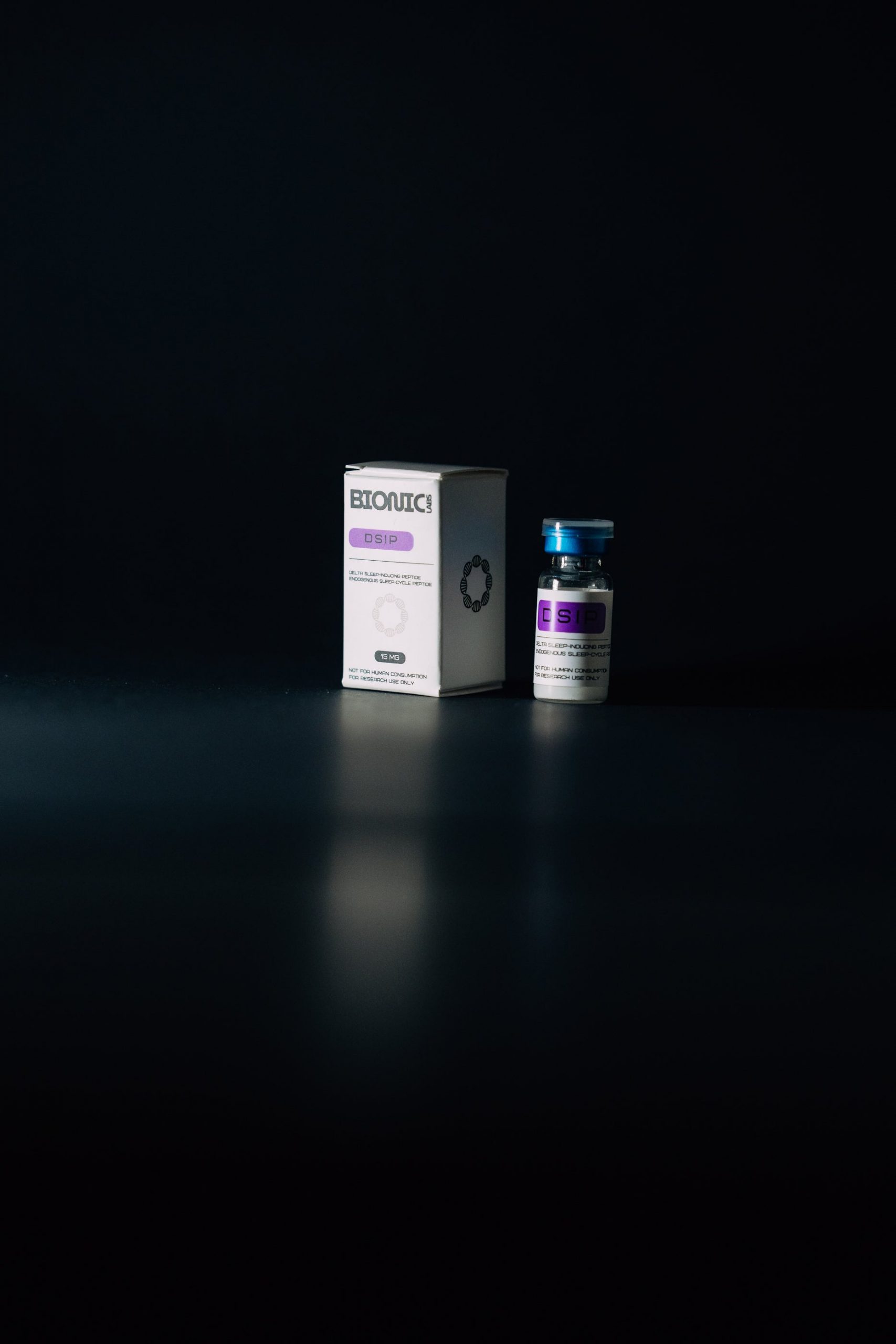
DSIP (Delta Sleep Inducing Peptide) 15mg identifies the named material and its labelled amount per vial. It does not specify a sleep outcome, a concentration or a usage protocol. For a catalogue enquiry, the useful next steps are identity confirmation and batch documentation. Keep the scientific history in your literature notes and the supplied material’s records in your batch file.
| Expression | Meaning in context | Useful distinction |
|---|---|---|
| DSIP | A compound name | A name is not an outcome guarantee |
| Delta activity | An EEG feature | Different from a complete sleep assessment |
| Experimental model | The setting studied | Different from every real-world situation |
| 15 mg | Labelled vial amount | Different from an instruction for use |
Questions, answered.
Does the name prove an effect on human sleep?
No. Read the model and measured endpoints in the underlying study.
Why read an early paper?
It helps explain how the name originated and keeps later claims connected to the original observation.
Sources & further reading
- Schoenenberger and Monnier · PNAS · 1977
Primary isolation and characterisation study.