AT A GLANCE
- BPC-157 is studied in preclinical repair-related models.
- Cell migration, survival and tissue function are different outcomes.
- The experimental model belongs beside every reported finding.
Why tendon cells attract attention
A tendon is more than a collection of cells. Its organisation and mechanical behaviour matter as well. This makes tendon research a good example of how several layers of evidence fit together. A change in cell behaviour can be an interesting starting point without answering every question about an intact tissue or a person’s recovery.
A closer look at one experimental study
Chang and colleagues examined BPC-157 using tendon explants and cultured tendon fibroblasts. They reported changes in outgrowth, survival under stress and migration in these experimental systems. The paper helps explain why BPC-157 appears in discussions of repair biology. It does not establish a clinical treatment result for a commercial vial. [1]
- 01Cell behaviour
- 02Tissue organisation
- 03Functional outcomes
- 04Clinical questions
Conceptual reading guide — not a biological pathway or an efficacy comparison.
Three outcomes worth separating
Migration asks whether cells move within a model. Survival asks whether they remain viable under the conditions tested. Tissue function asks a broader question about how an organised structure performs. Reading these as separate outcomes makes a study easier to understand. It also prevents a result about one layer from being silently rewritten as an outcome at another layer.
How to read a repair headline
Look for the original material, the model, the comparator and the endpoint. A headline may use the word healing even when the most specific result concerns a cellular measurement. Returning to the methods and results gives that word a clearer meaning. If a summary leaves out the model entirely, the missing context is a reason to look more closely, rather than fill the gap with assumptions.
Keep the product identity precise
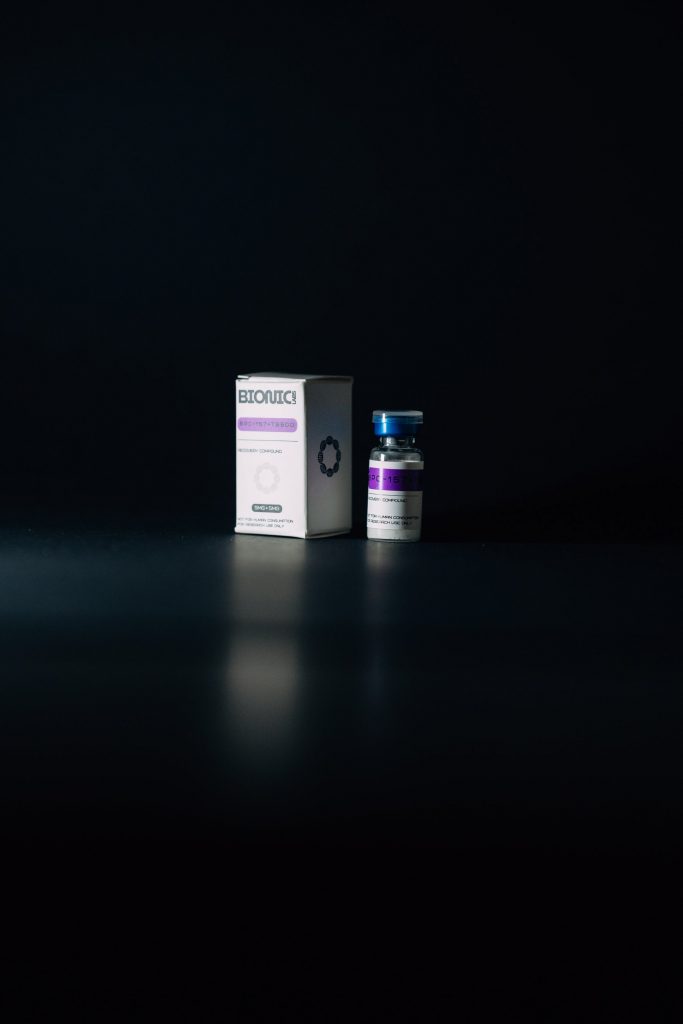
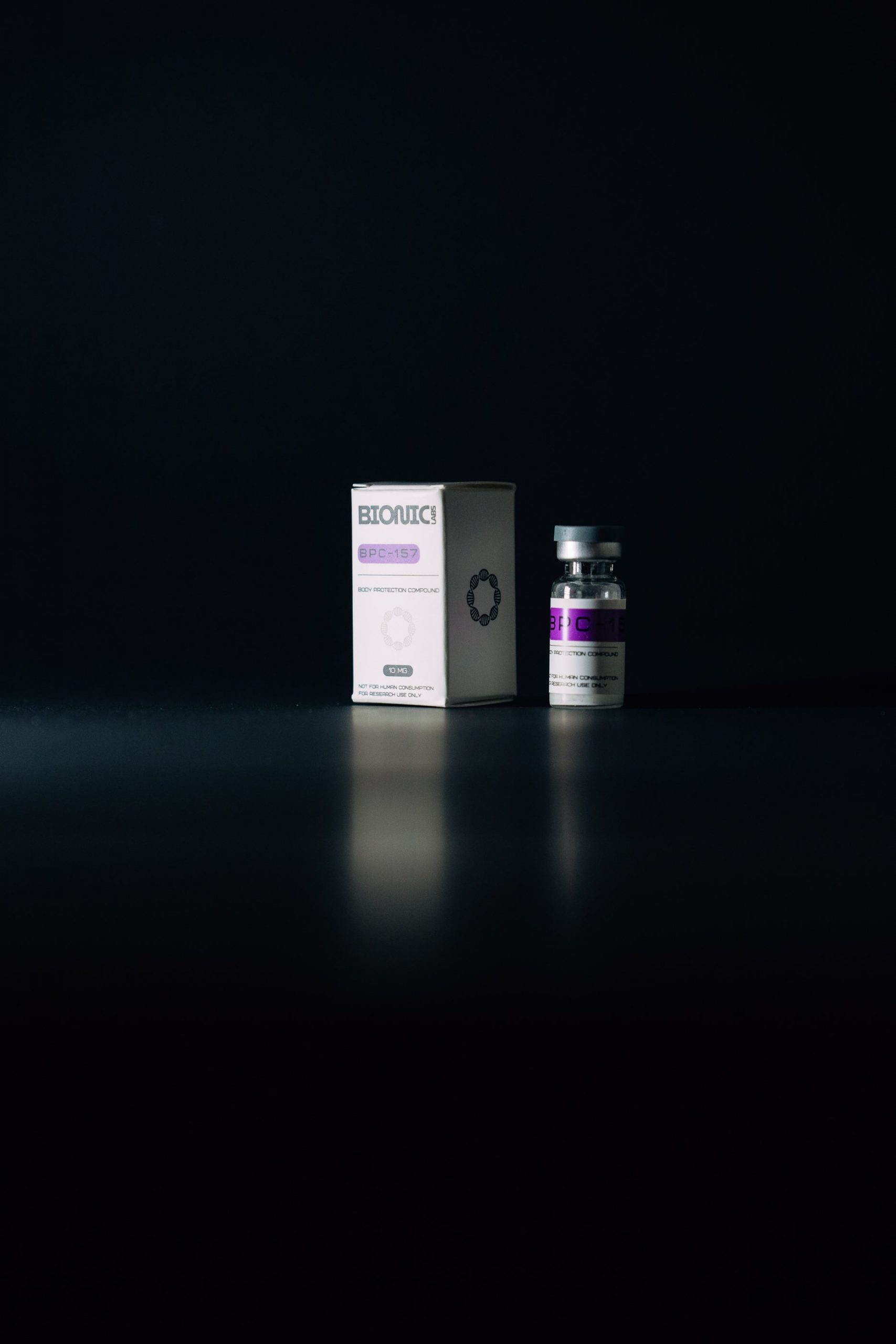
BPC-157 10mg is a single-compound catalogue presentation. BPC-157 + TB-500 is a separate blend, so a document for one should not be filed as the specification for the other. For the single-compound product, record the exact name, amount per vial and batch reference. Research reading helps explain the field; the batch report helps identify the supplied material.
| Observation | Useful meaning | Additional question |
|---|---|---|
| Cell migration | Movement in the chosen model | How was movement measured? |
| Cell survival | Viability under tested conditions | Which stress or comparator was used? |
| Tissue function | Performance of an organised tissue | Was function measured directly? |
| Clinical benefit | A meaningful result in people | Which human study supports it? |
Questions, answered.
Does a cell study prove tendon recovery in people?
No. The model, endpoint and level of evidence need to remain visible when interpreting the result.
Is the blend interchangeable with BPC-157 alone?
No. A blend has an additional component and its own specification; the names should remain distinct.
Sources & further reading
- Chang et al. · Journal of Applied Physiology · 2011
Primary study of tendon outgrowth, survival and migration.