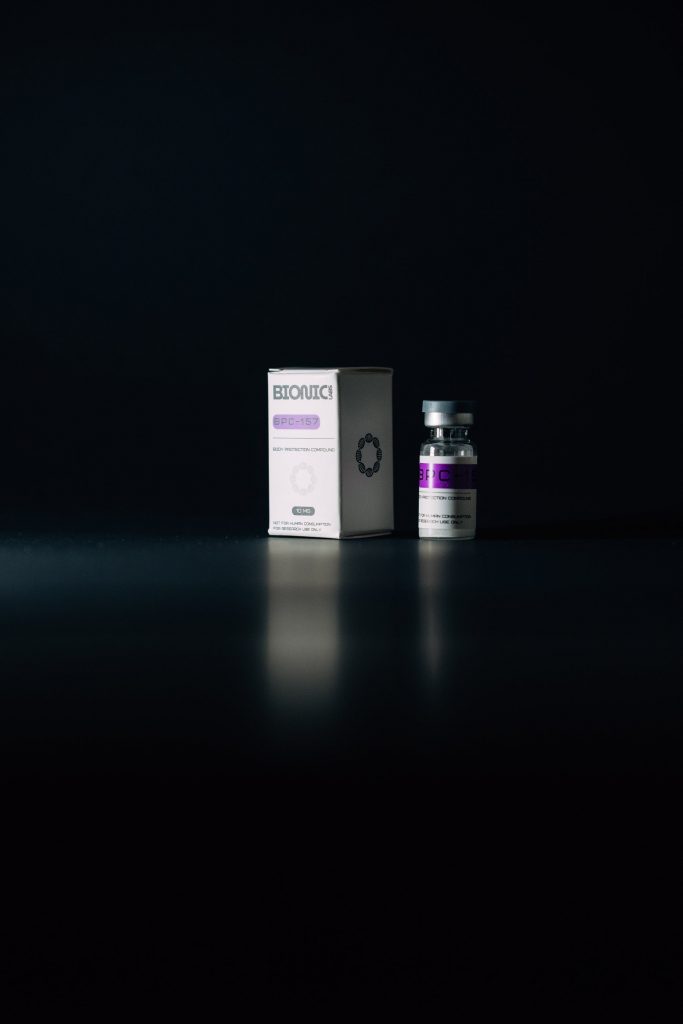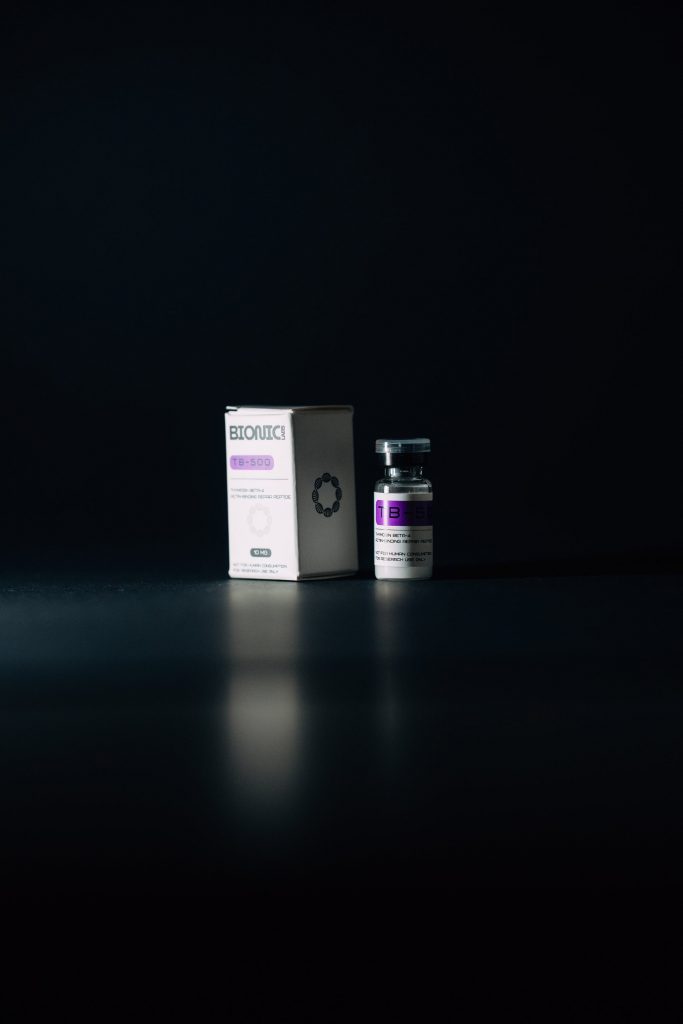
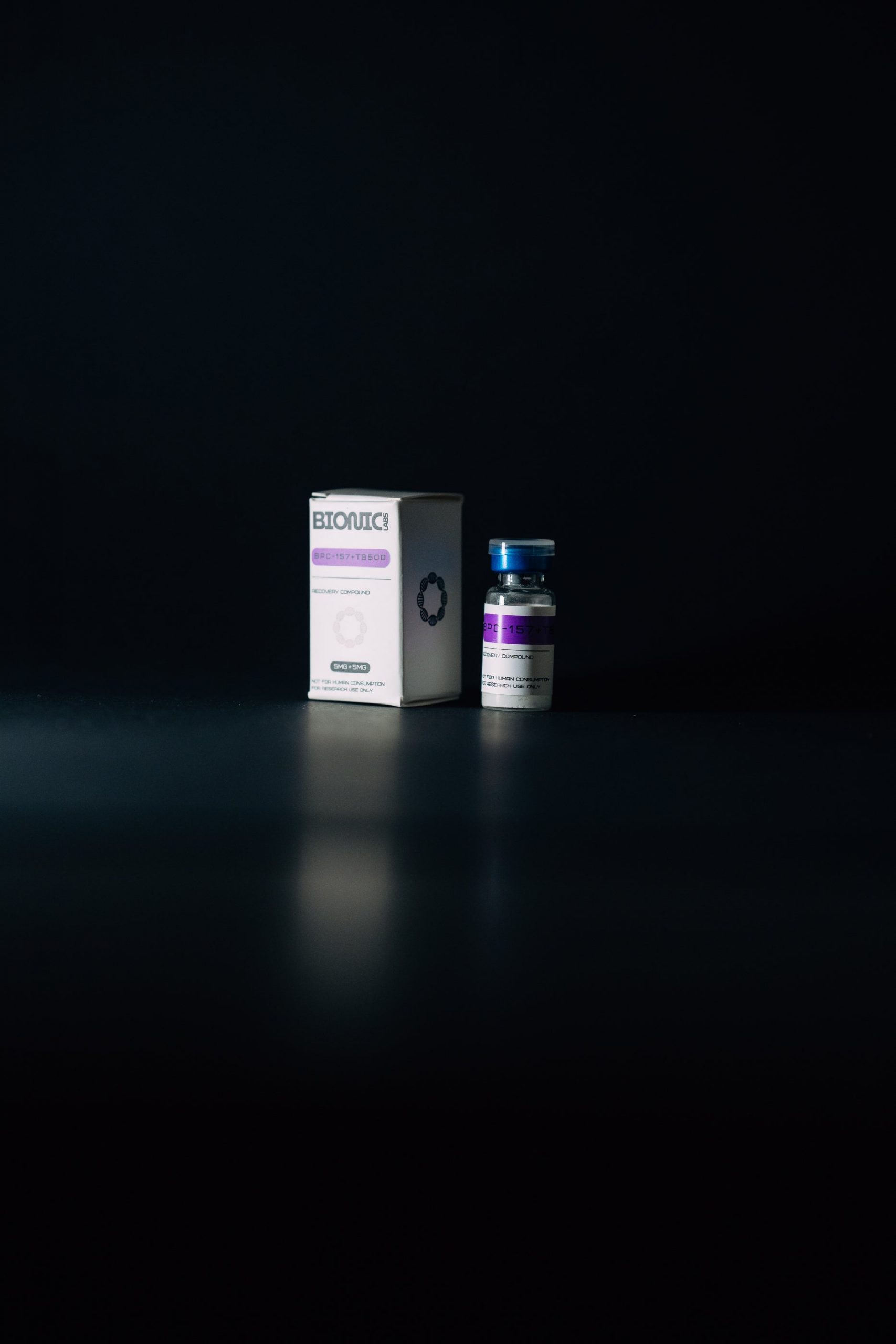
AT A GLANCE
- A blend is a separate material specification.
- Total content does not tell you the component ratio.
- A synergy claim needs evidence about the combination itself.
Two familiar names create a new question
A combined label can look like a convenient summary of two research stories. Yet a blend introduces questions that neither individual label answers: what is the exact identity of each component, how much of each is present, and which analytical methods distinguish them? Those details turn a product name into a useful specification.
How to think about synergy
Synergy is a claim about an interaction, not simply a word for putting ingredients together. To assess it, look for a study that actually compares the combination with appropriate individual-component and control conditions. Separate publications about two materials can explain why researchers are interested in a combination, but they cannot calculate its performance by adding the conclusions together.
- 01Identify both components
- 02Confirm the ratio
- 03Review blend analysis
- 04Match the batch
Conceptual reading guide — not a biological pathway or an efficacy comparison.
What the component literature contributes
The BPC-157 literature includes work on tendon fibroblast behaviour. A separate analytical paper identified a thymosin beta-4 fragment in a product called TB-500. Together, these examples underline two different tasks: understanding a research context and establishing the identity of the material. Neither paper is a test of the blend listed here. [1][2]
Read 10 mg as a total
The supplier identifies the BPC-157 + TB-500 presentation as a 10 mg vial. The total does not establish how those milligrams are divided. An equal split would be an assumption unless the specification confirms it. The same principle applies when choosing a pack of ten: the pack size changes the number of vials, not the information available about the contents of each one.
Build a useful documentation request
Ask for the component names, the amount or ratio of each component, the exact TB-500 specification and the report for the available batch. If the report lists only one overall purity figure, ask how that result relates to a two-component material. A clear answer is more informative than a broad claim that the blend is stronger or more advanced.
| Detail | What it answers | What remains separate |
|---|---|---|
| Component identity | Which materials are present? | Their biological effects |
| Component ratio | How is the total divided? | A usage recommendation |
| Total vial content | How much is stated per vial? | Purity and concentration |
| Combination evidence | What was tested together? | Evidence for an individual component |
Questions, answered.
Does 10 mg mean 5 mg of each component?
Only if the batch specification confirms that ratio. The total label alone does not establish an equal split.
Does combining two peptides prove synergy?
No. That conclusion needs evidence that evaluates the combination and suitable comparators.
Sources & further reading
- Chang et al. · 2011
BPC-157 tendon-cell research.
- Esposito et al. · Drug Testing and Analysis · 2012
Analytical identification of a thymosin fragment in TB-500.